Decide by work geometry first
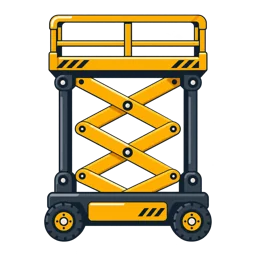
- Straight up over the task: a scissor often wins on deck space and capacity.
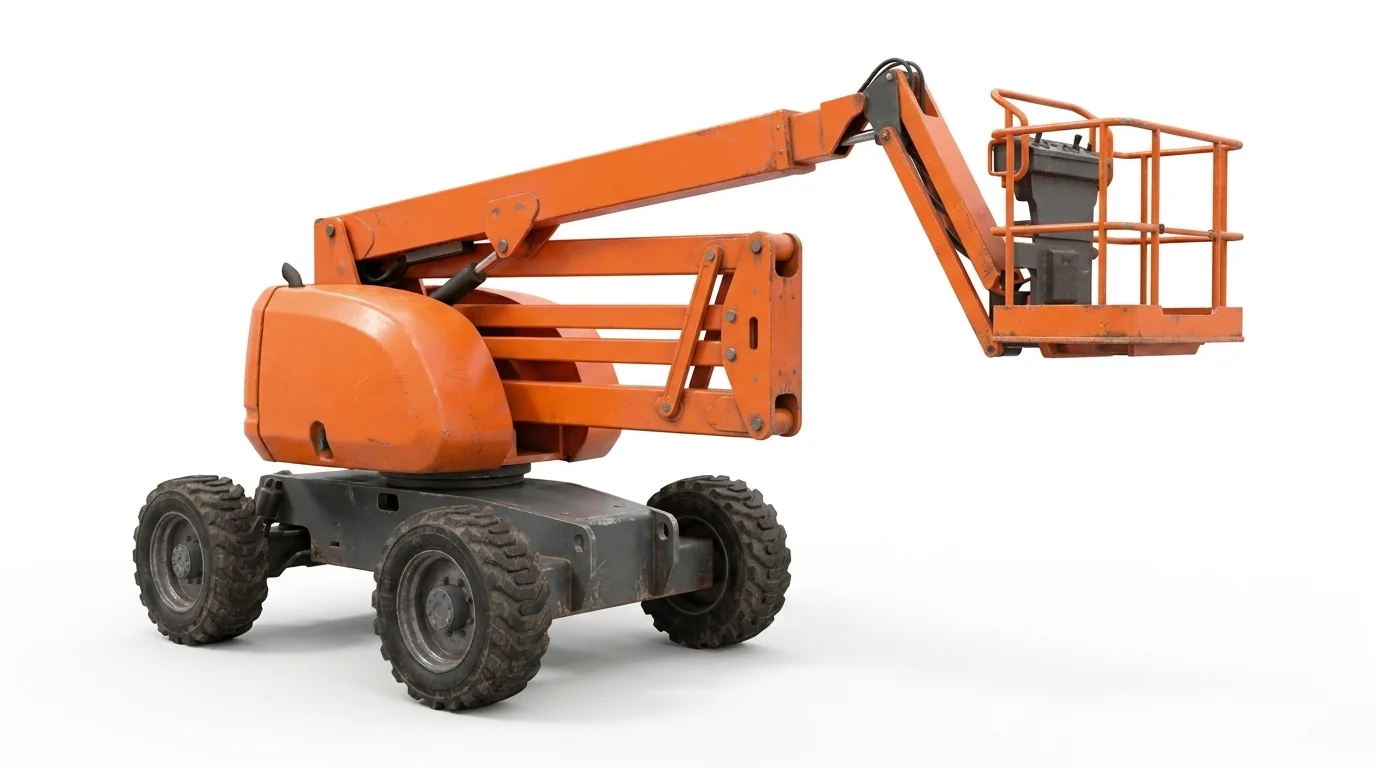
- Need to reach around piping, racks, or equipment rows: articulating or telescopic booms provide horizontal reach.
- Tight, precise access under overhead utilities: consider a vertical mast at /vertical-mast-lift-rental/.
Local terrain and weather factors
- Caliche‑sandy mixes and unfinished approaches push outdoor work toward rough‑terrain frames. See /rough-terrain-scissor-lift-rental/ for straight‑up platforms or /boom-lift-rental/ for outreach on uneven ground.
- Frequent gusts on open pads can limit exterior use. The selected unit’s instructions and site procedures govern wind exposure.
- Heat affects batteries and long duty cycles; engine power may suit widely spaced tasks across large industrial sites.
Narrow the category by measurements
- Working height and outreach (for booms) vs. platform size and capacity (for scissors).
- Stowed width and weight for interior corridors and floor ratings.
- Turning radius and ground clearance for yard access between structures.
Midland use cases
- Interior racking, lighting, and HVAC: /electric-scissor-lift-rental/
- Exterior service on uneven surfaces: /rough-terrain-scissor-lift-rental/
- Complex overhead routes around equipment: /boom-lift-rental/, /articulating-boom-lift-rental/, /telescopic-boom-lift-rental/
Related site resources
- Material handling: /forklift-rental/ and /telehandler-rental/
- Jobsite support: /generators-light-towers-rental/ and /temporary-fencing-barricades-rental/
Keep the comparison specific
A useful equipment discussion starts with the work height, the practical machine position, the route into the area, the floor or ground along that route, and the people, tools, or material involved. Those details clarify whether vertical access, outreach, or material placement is the real constraint.