When an articulating boom fits the job
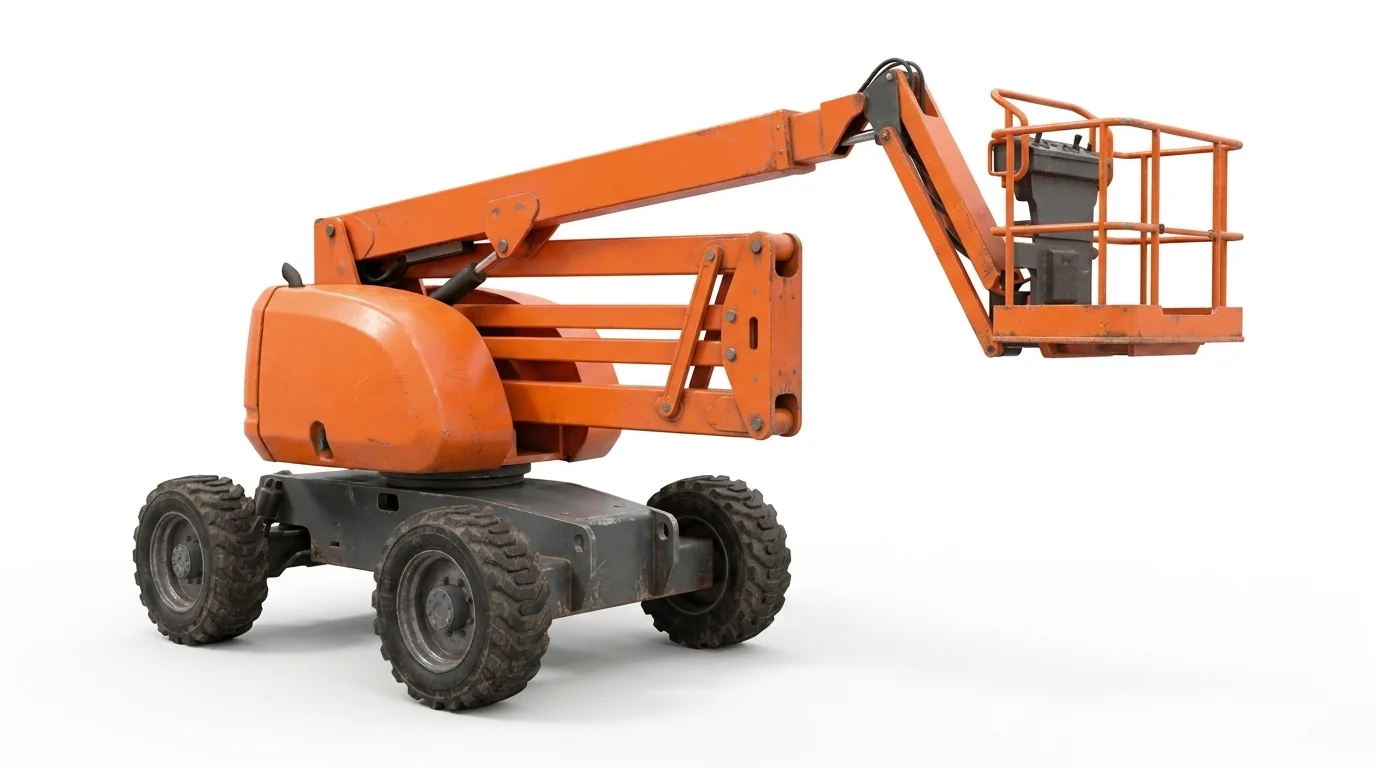
Articulating booms are built for indirect paths. If the platform must clear a pipe rack, reach into a bay, or pass under then rise above an overhang, the jointed boom sections create angles a straight boom cannot. In local energy support facilities, that up-and-over geometry often matters more than maximum height.
Key planning checks: - Start point: Can the machine stage on a stable pad, or will it sit on caliche-heavy, uneven ground? - Path: Count each obstacle between you and the target point. If there’s more than one, assume articulation benefits you. - Final position: Do you need to work flush to a vertical face, or will you land inside a framed opening?
Midland conditions that change the spec
- Wind and heat: High gusts are common in the regional climate. Platform ratings, jobsite procedures, and the unit’s published limits govern exterior work.
- Ground support: Sandy, compacted soils and yard ruts push many outdoor jobs toward rough-terrain models instead of slab-only machines.
- Access width: Service alleys around compressors and skids can be narrow. Machine width, tail swing, and turn radius may limit what actually reaches the work.
Envelope, power, and surface considerations
- Envelope: Look at up-and-over height as much as platform height. Articulation clears obstacles that sit between you and the target.
- Power: Electric units suit interior maintenance in climate-controlled spaces; diesel fits exterior yards and long duty cycles.
- Surface: Non-marking tires protect interior slab floors. Foam-filled or rough-terrain options handle outdoor staging pads and compacted soil.
Related options
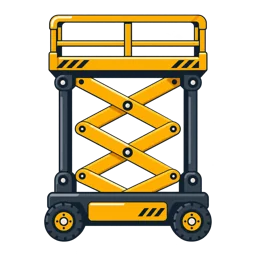
If the path is direct and the goal is maximum horizontal reach, compare a straight boom at /telescopic-boom-lift-rental/. For flat interior slab work without obstacles, a platform that goes straight up at /electric-scissor-lift-rental/ may be simpler.
Midland job patterns
Aerospace hangar bays, energy fabrication shops, and local distribution buildings often mix overhead utilities with mezzanines and cranes. Expect to plan the route in sections: approach, up-and-over, and final set.