Match the machine to the landing geometry
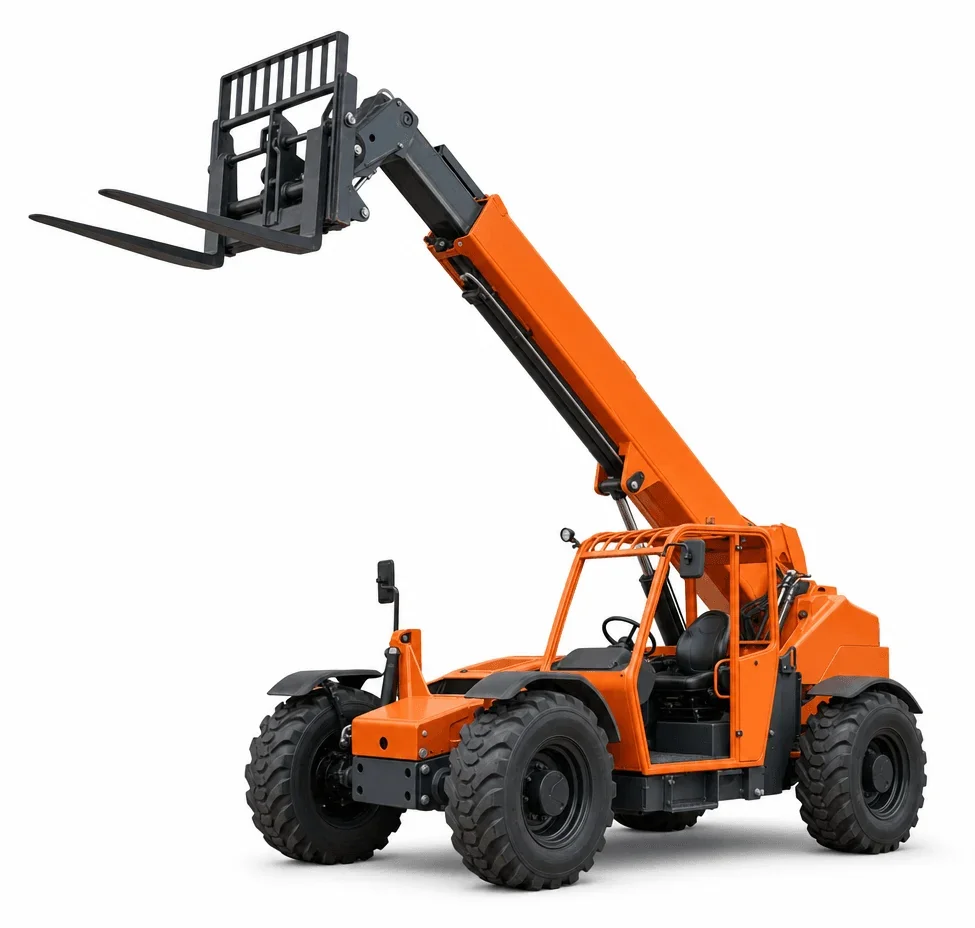
- Lift height vs. reach: Placing over handrails or into trucks requires enough forward reach at height, not just a tall number on paper.
- Load chart awareness: The farther out you reach, the less capacity remains. Plan using the heaviest likely load at the required placement point.
- Approach: Tight yards and pipe spools may force angled approaches. Wheelbase, turning radius, and frame leveling features influence what fits.
Midland surfaces and duty patterns
- Ground: Caliche-heavy, sandy soils and yard ruts are common. Rough-terrain tires and ground clearance affect staging and turnaround zones.
- Weather: High winds can influence elevated placement and staging safety. Actual conditions, equipment instructions, and site procedures govern.
- Heat: Summer heat can affect shift timing and fluid service intervals, which influences uptime planning for continuous material moves.
Sizing checkpoints
- Capacity band: Know your typical and peak pallet or basket weights.
- Lift height: Identify the highest consistent placement point, not the rare maximum.
- Reach at height: Confirm the load can be set down without nose-in contact.
- Visibility: Cab visibility and boom placement help with precise deck drops around industrial sites.
Where telehandlers fit in the local mix
Energy support yards, fabrication shops, and aviation-related maintenance areas regularly need elevated placement where a standard forklift can’t reach. For ground-level warehouse work, consider /forklift-rental/. For personnel access alongside material placement, see /telescopic-boom-lift-rental/ and /articulating-boom-lift-rental/.
Logistics around Midland
Nearby communities supply labor and materials, so expect frequent loading, staging, and shuttle loops between sites. Plan turning lanes and laydown that match the machine’s length and turning radius.