Warehouse, yard, or mixed-use
- Interior slab: Cushion-tire models suit smooth floors and tight aisles in local distribution buildings.
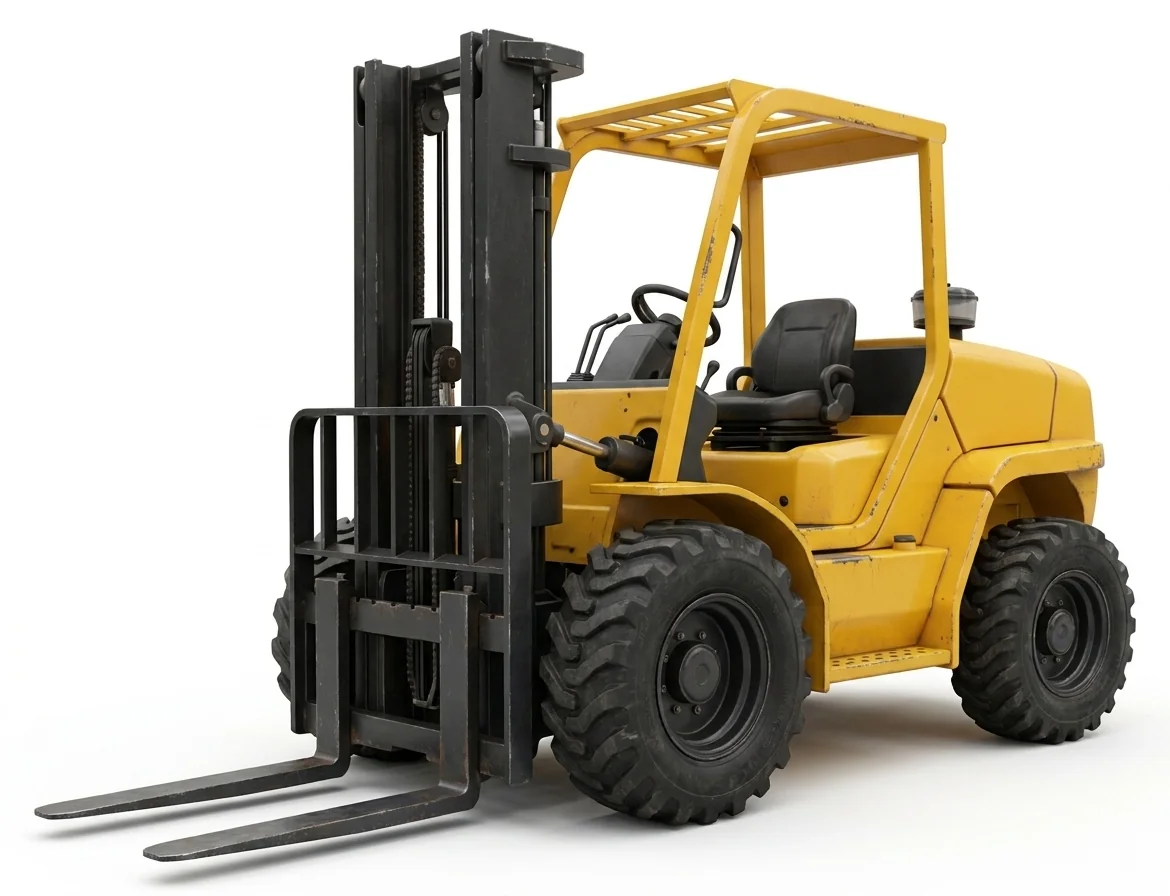
- Yard work: Pneumatic-tire units handle compacted, sandy lots and uneven approaches common at industrial sites.
- Mixed routes: If loads move from slab to yard, ground clearance and tire choice become the deciding factors.
Dimensions that matter
- Aisle width: Tight aisles limit capacity and mast size; consider shorter wheelbases for dense storage.
- Overhead clearance: Low doors and mezzanines dictate collapsed mast height and attachment choices.
- Load size: Wide or top-heavy pallets drive carriage and fork specifications.
Midland conditions that affect planning
- Surface support: Caliche-heavy soils and rutted yards can challenge smaller trucks. Verify approach paths and staging pads.
- Wind and dust: Exterior handling during gusty periods can affect stability and visibility. Actual conditions and site procedures control outdoor use.
- Heat: High temperatures may influence fuel type preferences and shift timing for frequent loading cycles.
Related categories
If pallets must be placed at elevation or across barriers, compare /telehandler-rental/. For personnel access to elevated tasks, see /vertical-mast-lift-rental/ or /electric-scissor-lift-rental/ depending on surface and reach.
Common Midland workflows
Material flows often run from receiving yards to interior storage. Plan doorway widths, dock heights, and turning pockets so a single truck can complete the loop without bottlenecks.