Site surface and level conditions
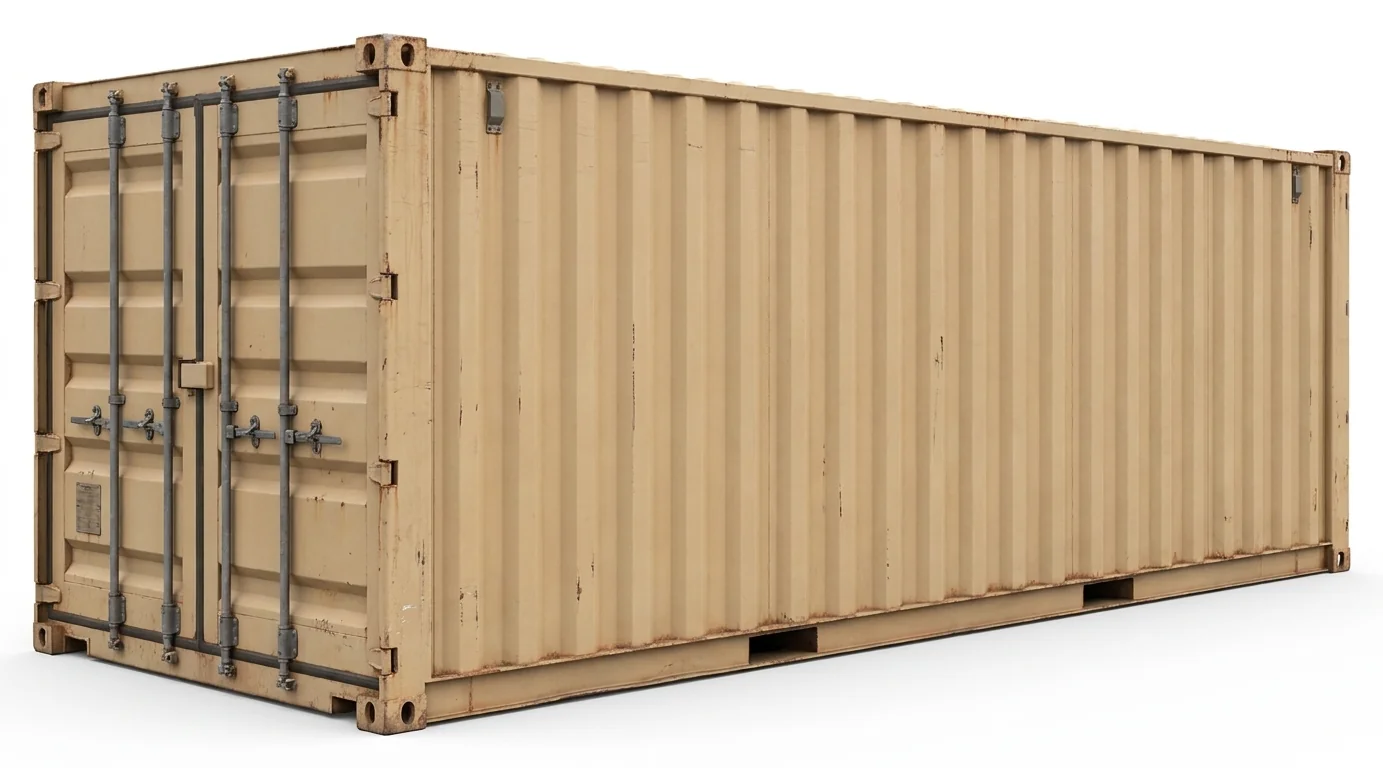
Containers behave best on firm, even ground. Many exterior pads here are compacted but not paved, so point loads at the corner castings can settle after a rain or water truck pass. A slight tilt changes how doors align and how pallets move in and out with forklifts or telehandlers. If access crosses ruts, note the delivery truck’s approach angle and turning room.
Door orientation and traffic
Set doors toward the work face but away from main equipment lanes. Around aerial tasks, placing doors facing the lift laydown keeps parts close without blocking swing paths. For material handling choices near the container, compare /telehandler-rental/ and /forklift-rental/ based on reach and aisle width.
Heat, dust, and security
The regional climate can raise interior temperatures and drive dust into seams. For temperature-sensitive items, plan for ventilation or spacing that avoids heat buildup. If inventory supports night shifts, coordinate lighting from /generators-light-towers-rental/ so loading areas remain visible without creating glare near elevated work.
Delivery and removal constraints
- Confirm gate width, low wires, and turning radius for the delivery truck.
- Identify a firm set-down area clear of underground utilities.
- Note any slope that could affect door operation.
Common Midland use cases
- Staging valves, fittings, and tools near industrial maintenance pads.
- Secure storage for aerial platform parts and battery chargers off the slab.
- Short-term laydown during infrastructure work near large-door facilities.
Information to have ready
- Container size and door type preferred.
- Ground condition and levelness at the pad.
- Distance from the nearest equipment route and clearance for unloading.
- Any requirement to align with lighting or power equipment already onsite.
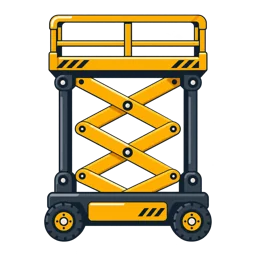
For lift access to work at height once materials are staged, see /electric-scissor-lift-rental/, /rough-terrain-scissor-lift-rental/, and /aerial-lift-rental/.