When a straight boom is the better tool
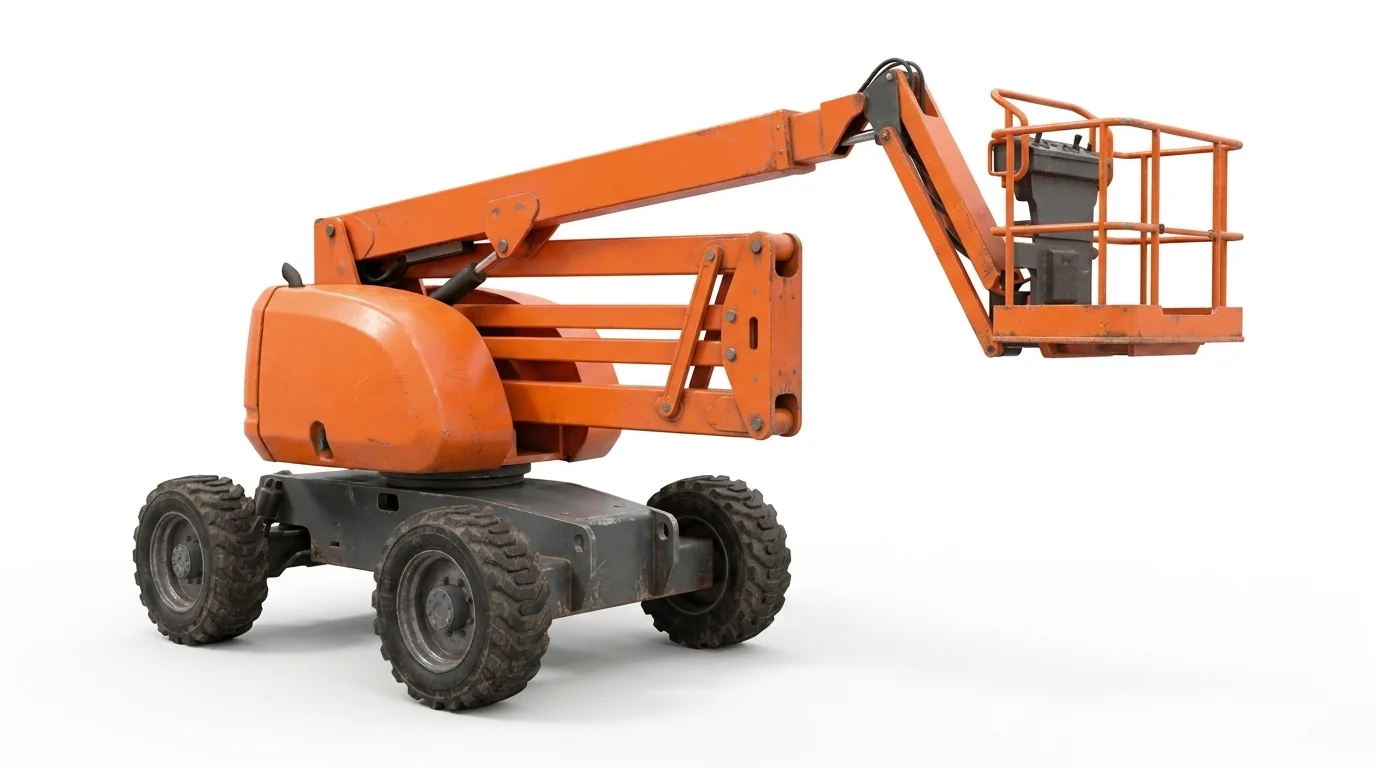
Choose telescopic geometry when the goal is to bridge distance directly—across a staging yard, along the side of a tall façade, or from a setback pad to a target high point. Fewer joints mean a stiffer feel and typically more horizontal reach for the same size class.
Check these constraints: - Setback distance: Measure how far you can stage from the structure. More setback favors a straight boom. - Obstructions: If anything blocks a direct line—overhangs, pipe racks, conveyors—consider articulation instead at /articulating-boom-lift-rental/. - Landing zone: Verify there’s space to swing and telescope without clipping nearby equipment.
Local surface and weather factors
- Surface: Many exterior jobs in Midland rest on caliche-heavy, sandy soils. Rough-terrain packages help manage ruts and variable support.
- Wind: Gusty conditions are common. Exterior elevating work must follow the machine’s instructions and site procedures.
- Heat: Prolonged summer heat can influence duty cycles and scheduling around shade and cooler periods.
Sizing by geometry
- Horizontal reach matters most when the machine can’t get close. Match platform height and outreach to the setback you measured.
- Capacity: Tooling, materials, and two-person work affect platform capacity needs.
- Power: Diesel units suit long exterior runs; electric or hybrid options can fit semi-enclosed areas with ventilation needs.
Adjacent categories to compare
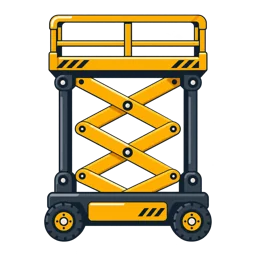
If the path is blocked but height is similar, look at /articulating-boom-lift-rental/. For straight-up slab work inside local distribution buildings, see /electric-scissor-lift-rental/. For general aerial options, browse /boom-lift-rental/.
Midland job patterns
Energy infrastructure and aviation-related structures around the area often allow setback staging outside clear zones. Measure the distance first—setback typically dictates boom length before platform height does.