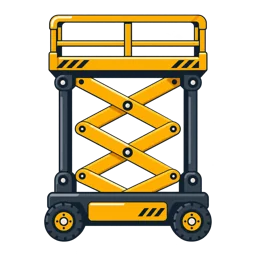
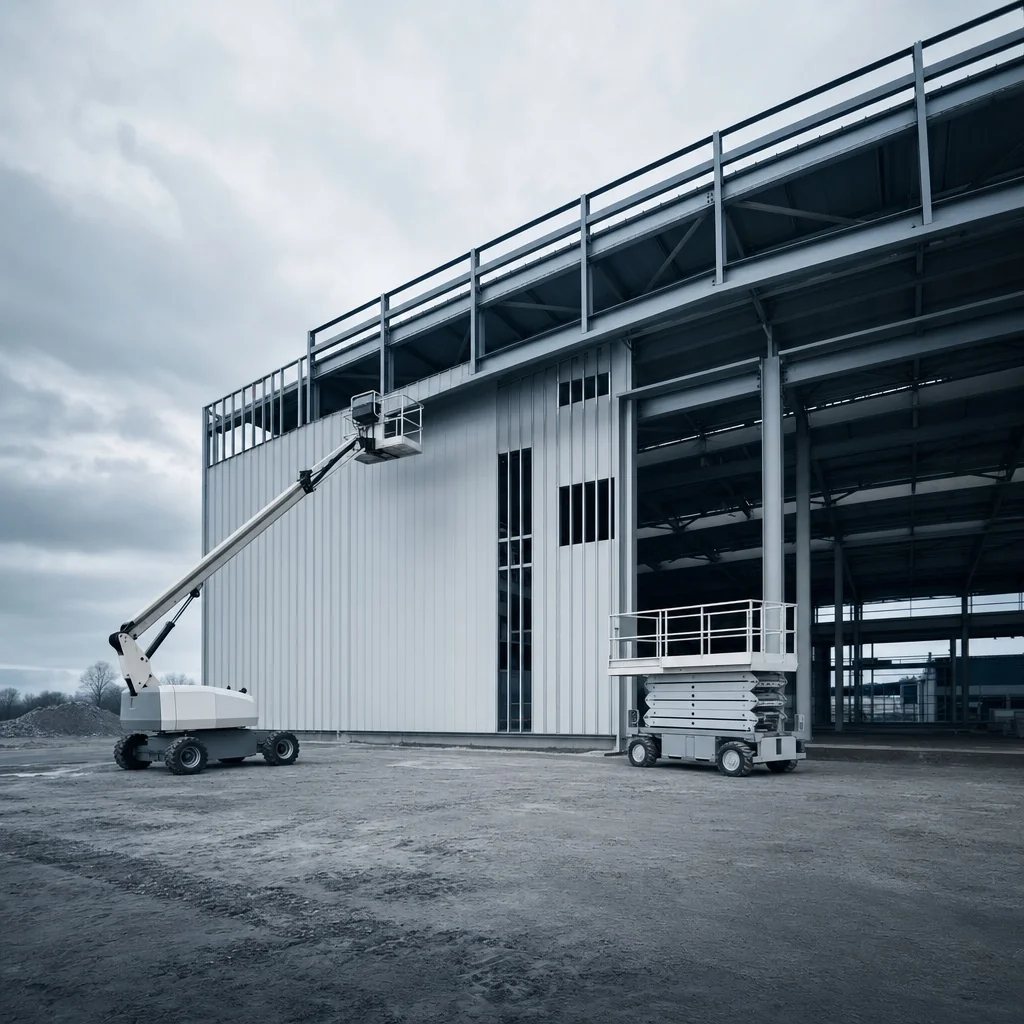
Match lift type to task position
- Directly under the task on slab: electric scissor platforms at /electric-scissor-lift-rental/ suit straight-up work when aisles are tight.
- Below and offset from the task outdoors: compare /articulating-boom-lift-rental/ for up-and-over obstacles or /telescopic-boom-lift-rental/ for longer, straighter reaches.
- Compact vertical work with minimal footprint: see /vertical-mast-lift-rental/.
- Uneven or sandy yards: /rough-terrain-scissor-lift-rental/ offers wider stance options for exterior slab edges and compacted pads.
Midland conditions that affect comparison
The regional climate brings heat, dust, and periodic high winds that influence outdoor elevated work. Stability, tire type, and platform capacity interact with soil firmness on caliche-heavy pads. Actual conditions, the selected unit’s instructions, and site procedures govern elevated work.
Route and staging constraints
- Measure gates, door headers, and turning radii from laydown to work area.
- Note slopes, ruts, or soft spots along exterior routes.
- Confirm pad size for loading, refueling, and any site products supporting the lift area.
Site products that support lift work
- Power and lighting for night or remote areas: /generators-light-towers-rental/.
- Secure parts and tooling near the work face: /storage-containers-rental/.
- Safe separation of machines and people: /temporary-fencing-barricades-rental/.
Typical local applications
- Industrial maintenance where lifts share space with material handling; compare /telehandler-rental/ and /forklift-rental/ for staging.
- Hangar-area infrastructure needing careful mast and boom placement to manage wind exposure and clearances.
Information to line up before calling
- Work height, reach, and ability to sit below or directly under the task.
- Surface type from staging through the work area.
- Anticipated wind exposure and shift timing.
- Supporting needs: power, storage, and perimeter control.
For questions that are specific to your site, visit /contact/ or learn more about our approach at /about/.